Waterships Carbon Endowment Fund dedicated to the maritime industry,
Water, Trees, and Climate Impact at Scale
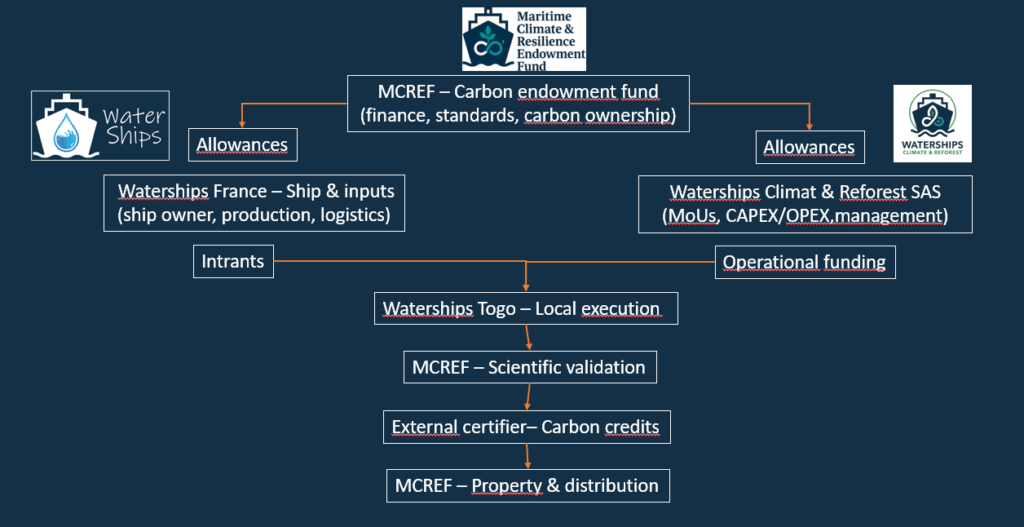
Waterships is becoming an integrated carbon operator, controlling the entire chain: water → seedlings → planting → survival → sequestration → carbon credits.
Waterships positions itself as a vehicle for structuring, aggregating, and tracking carbon credits in support of maritime decarbonization, aligning itself with the IMO framework and backed by philanthropic and corporate financiers.
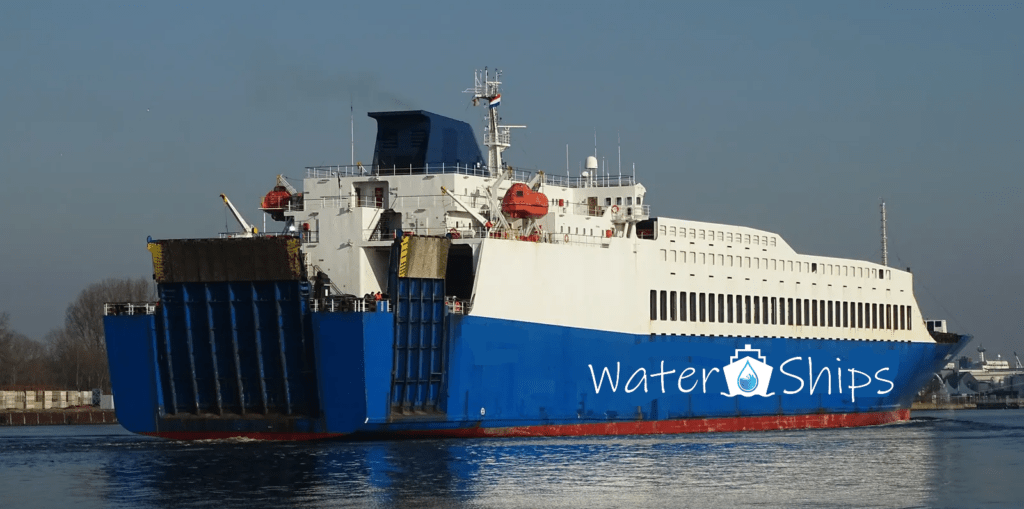
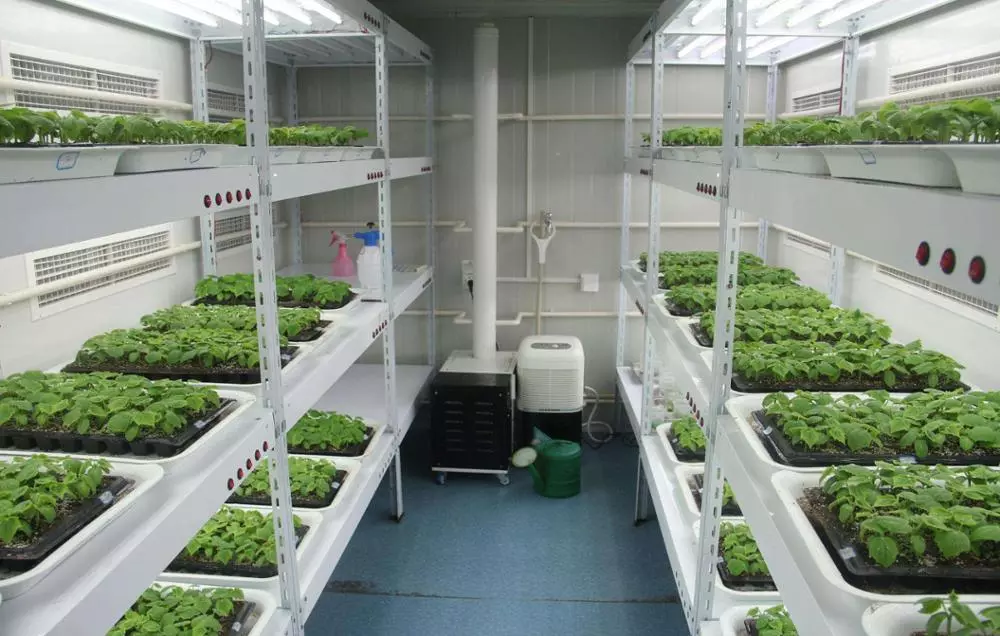
A unique maritime platform producing water at sea, supplying tree nurseries with seedlings, and enabling large‑scale reforestation in arid regions to generate high‑integrity carbon credits.
Position of the International Maritime Organization (IMO) on Climate & Emissions
IMO NET-ZERO FUND
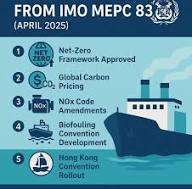
The IMO’s official position is now clear and ambitious: global shipping must reach net‑zero greenhouse gas emissions by around 2050, supported by mandatory fuel standards and a worldwide GHG pricing mechanism. This direction was formally approved in 2025 and aligns with the IMO’s revised 2023 GHG Strategy.
Net‑zero GHG emissions from international shipping “by or around 2050.”
This is the central pillar of the IMO’s revised climate strategy.
2. Mandatory Global Measures (Adopted 2025, entering into force 2027)
a) Global Marine Fuel Standard (GFS)
A legally binding requirement that progressively reduces the GHG intensity of marine fuels on a well‑to‑wake basis. This is the first global fuel standard ever applied to an entire industry sector.
b) Global GHG Pricing Mechanism
A worldwide carbon price applied to ships over 5,000 GT, covering ~85% of global shipping emissions. This is the first sector‑wide global carbon pricing system in the world.
3. Interim Targets (IMO 2023 Strategy)
The IMO has set two checkpoints before 2050:
2030: –20% GHG emissions (striving for –30%) vs. 2008 levels
2040: –70% GHG emissions (striving for –80%) vs. 2008 levels These targets guide fuel transition and fleet renewal.
4. Global Significance
Shipping represents ~3% of global GHG emissions.
The IMO’s framework is considered a historic breakthrough by the EU and UN.
It creates the first global, legally binding decarbonization regime for any major industry.
IMO CLIMATE MITIGATION
5. What This Means for Shipping Companies
Mandatory shift to low‑carbon and zero‑carbon fuels (methanol, ammonia, e‑fuels).
Increased operational efficiency requirements.
Exposure to global carbon pricing starting 2027.
Need for fleet renewal and retrofitting.
Higher demand for verified carbon credits to complement in‑sector reductions.
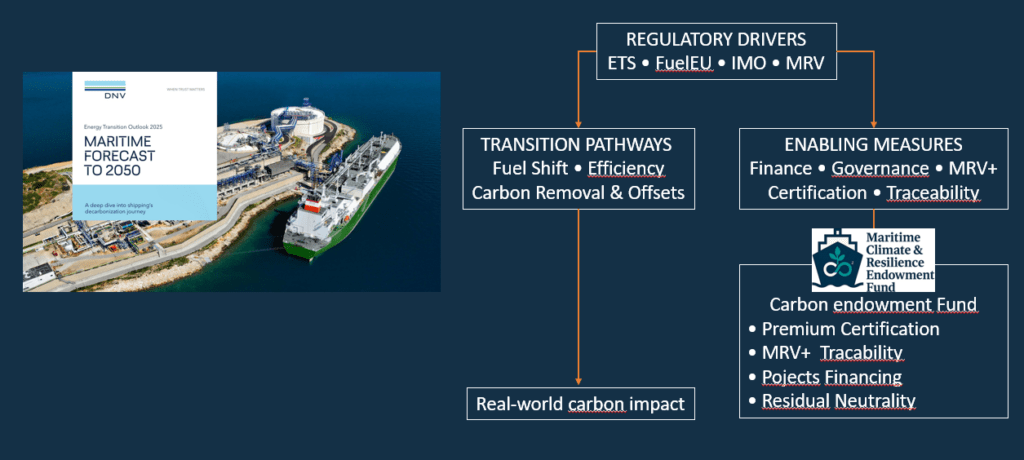
DNV MARITIME FORECAST TO 2050
Our Purpose
Financing climate resilience through water, seedlings, and reforestation
Waterships operates a maritime humanitarian and environmental infrastructure capable of:
Our endowment fund channels philanthropic and corporate capital into certifiable, high‑integrity carbon projects with measurable long‑term impact.
Proof of Concept
No Extraction from Terrestrial Water Reserves
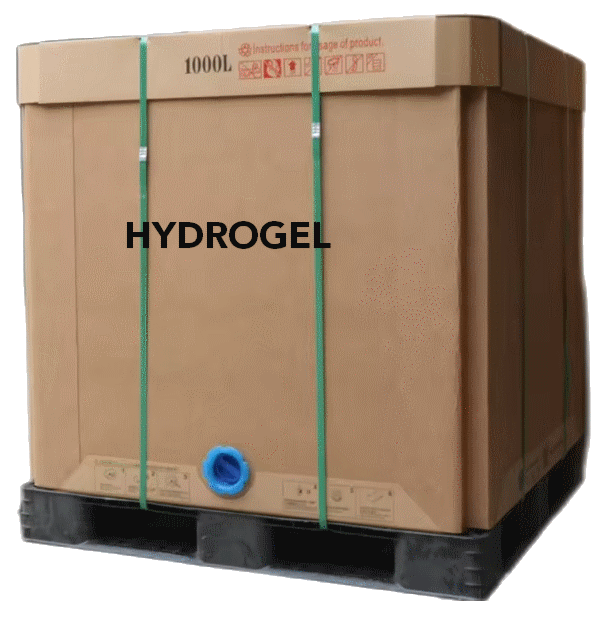
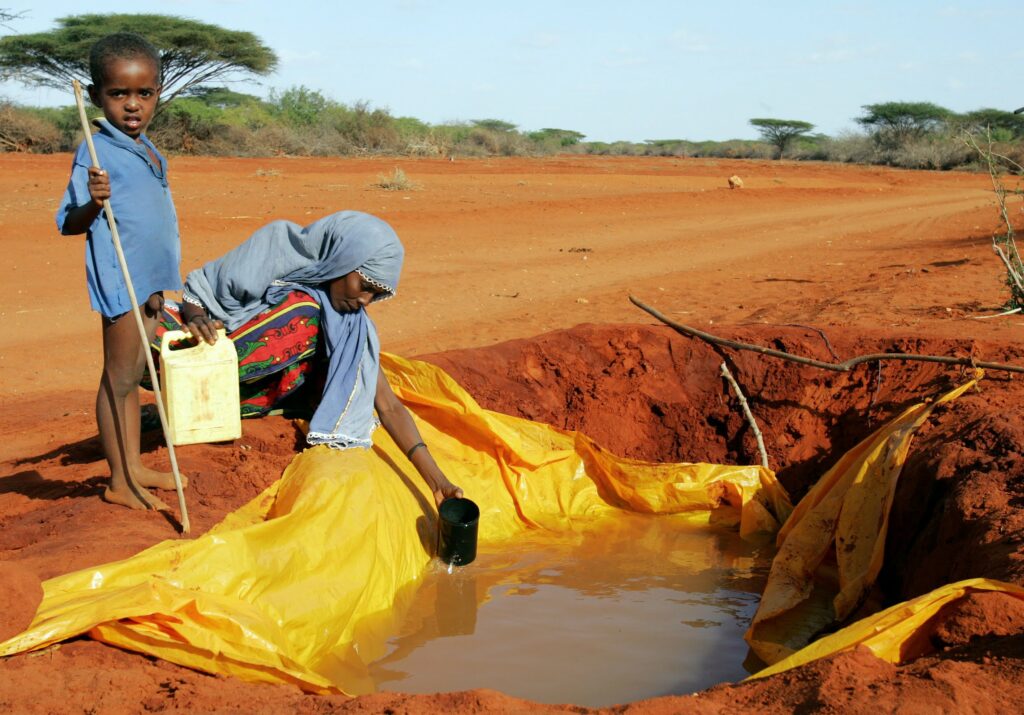
Waterships does not draw any water from terrestrial freshwater reserves. All water used to hydrate the SAP is produced exclusively from seawater, desalinated directly onboard the vessel. This approach ensures that reforestation activities in arid and semi‑desert regions do not compete with local communities, agriculture, or ecosystems for scarce freshwater resources.
Producing water at sea provides several strategic advantages:
Zero pressure on groundwater and aquifers, which are often overexploited or critically depleted in arid regions.
No competition with essential human uses, such as drinking water, sanitation, or irrigation for food production.
Independence from terrestrial water infrastructure, which is frequently absent or insufficient in remote planting zones.
Guaranteed water security for the project, even during extreme droughts.
Environmental neutrality, as no rivers, lakes, wetlands, or watersheds are impacted.
By relying solely on seawater desalination, Waterships ensures that every liter used for SAP hydration is additional, sustainable, and fully aligned with international carbon‑market safeguards. This reinforces the environmental integrity of the projects and strengthens their acceptance by local communities, regulators, and climate‑finance stakeholders.
Impact for Carbon Investors
Carbon values (0.35 to 0.50 tCO₂ per tree over 25 to 35 years) are consistent with Vachellia nilotica in semi-arid areas benefiting from high survival rates and improved growth thanks to SAP + marine fertilizer.
“The MRV system is based on field measurements, allometric equations specific to Vachellia nilotica, and complete digital traceability via Seahorse Manager, making it possible to document sequestration in the range of 70 to 300 tCO₂/ha depending on planting density.”
Planting densities (200–600 trees/ha) allow the project to be adapted to water, logistical, and land constraints.
Key indicators
Seedling survival rate: +50 to +70%
Water savings: 50 to 70%
SAP effectiveness duration: 4 to 8 years
Degradation: biodegradable
Operational cost: low per plant, high impact
Biomass gain: +20 to +40% thanks to marine fertilizer